

Gastroenteritis (Stomach Flu)


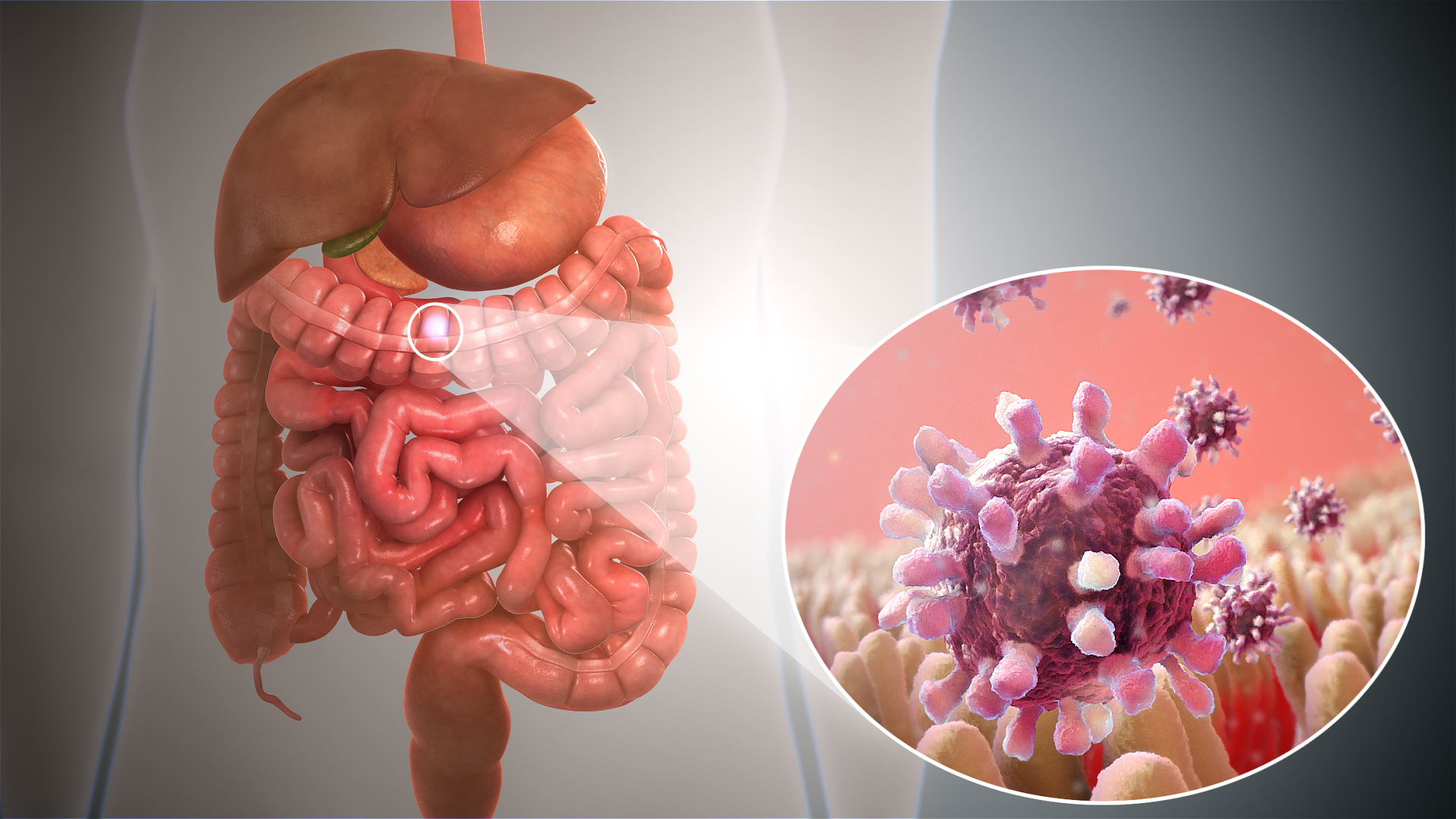
Gastroenteritis word is made up of two words, Gastro ( gastrium; means stomach) and Enteron (means small intestine); so gastroenteritis means inflammation of stomach and small intestine. In common language it is also known as “Stomach Flu” and “Food Poisoning”. It is characterized by sudden onset vomitings and loose stools. It can affect anyone at any age, these symptoms are usually mild and resolve within 2-3 days but it can sometimes cause severe disease requiring hospitalisation, particularly in children and elderly people. The common Wats of getting affected is contact with an infected person or ingestion of any infected food item. Gastro-enetritis is one of the leading cause of hospitalisation in India.
Symptoms
The patients of gastro-enetritis normally present with recurrent episodes of vomitings and diarrhea. These patients also have low grade fever, crampy pain in central abdomen, loss of appetite and marked physical weakness.
In severe cases, the person becomes dehydrated due to excessive water loss and hypotension ( low blood pressure).
Extreme dehydration can cause drop in urine out put and injury to the kidneys specially in elderly patients who have underlying diabetes, hypertension or cardiac diseases.
So those patients who are unable to take orally due to excessive vomitings or have developed signs of dehydration like hypotension, sunken eyes, low urine output, should be admitted in the hospital.
Causes
The common causes of gastro-enetritis are infections due to various bacteria and viruses.
Common bacteria responsible for gastro-enetritis include E.coli, Salmonella, shigella, staphylococcus aureus, Campylobacter etc.
Viruses causing gastro-enetritis are Rotavirus, Norovirus etc.
Treatment
The aim of treatment is to prevent dehydration by making sure the body has enough water and fluids. Plenty of liquids must be taken orally to replenish the loss of fluid and other minerals which are lost due to vomitings and diarrhoea. If the person is not able to take orally due to intractable vomitings, then he/she must be admitted to hospital and given intravenous fluid.
▪ Older children and adults can drink sports beverages but these should not be used for younger children. Instead, use the oral rehydration solutions available to maintain hydration.
▪ Fruit juices, aerated drinks should be avoided as these have a lot of sugar, which can make diarrhea worse, and also these drinks don’t replace lost minerals.
▪ Drink small amounts of fluid every 30-60 minutes. Large amount of fluids on one go should be avoided as it can induce vomitings. Teaspoon or syringe can be used to feed small children.
▪ Infants on breastfeed must be continued with the breastfeeding along with extra fluids orally. You do NOT need to switch to a soy formula.
Food may be offered often in small amounts. Suggested foods include:
▪ Cereals, bread, potatoes, lean meats
▪ Plain yogurt, bananas, fresh apples
▪ Vegetables
People with diarrhea who are unable to drink fluids because of nausea may need intravenous (directly into a vein) fluids. This is especially true in small children and elderly patients. Antibiotics are only indicated when we are suspecting bacterial gastroenteritis as these are not effective against viruses.
Prevention
Normally the gastro-enteritis is a mild and self-limiting disease, doesn’t require hospitalisation except in severe cases. The cases of gastroenteritis are more commonly seen in summers and rainy seasons. So we should wash our hands before we eat anything.
Wash vegetables and fruits properly with drinking water
We Should avoid eating outside food especially uncooked raw food.
People who have underlying diabetes hypertension or cardiac diseases should avoid going out in extreme summers to avoid dehydration.
Gastroenteritis is a preventable and usually mild disease. We can save ourselves by taking small precautions.